Driving Smarter Well Integrity: Reflections from OTC Asia 2026
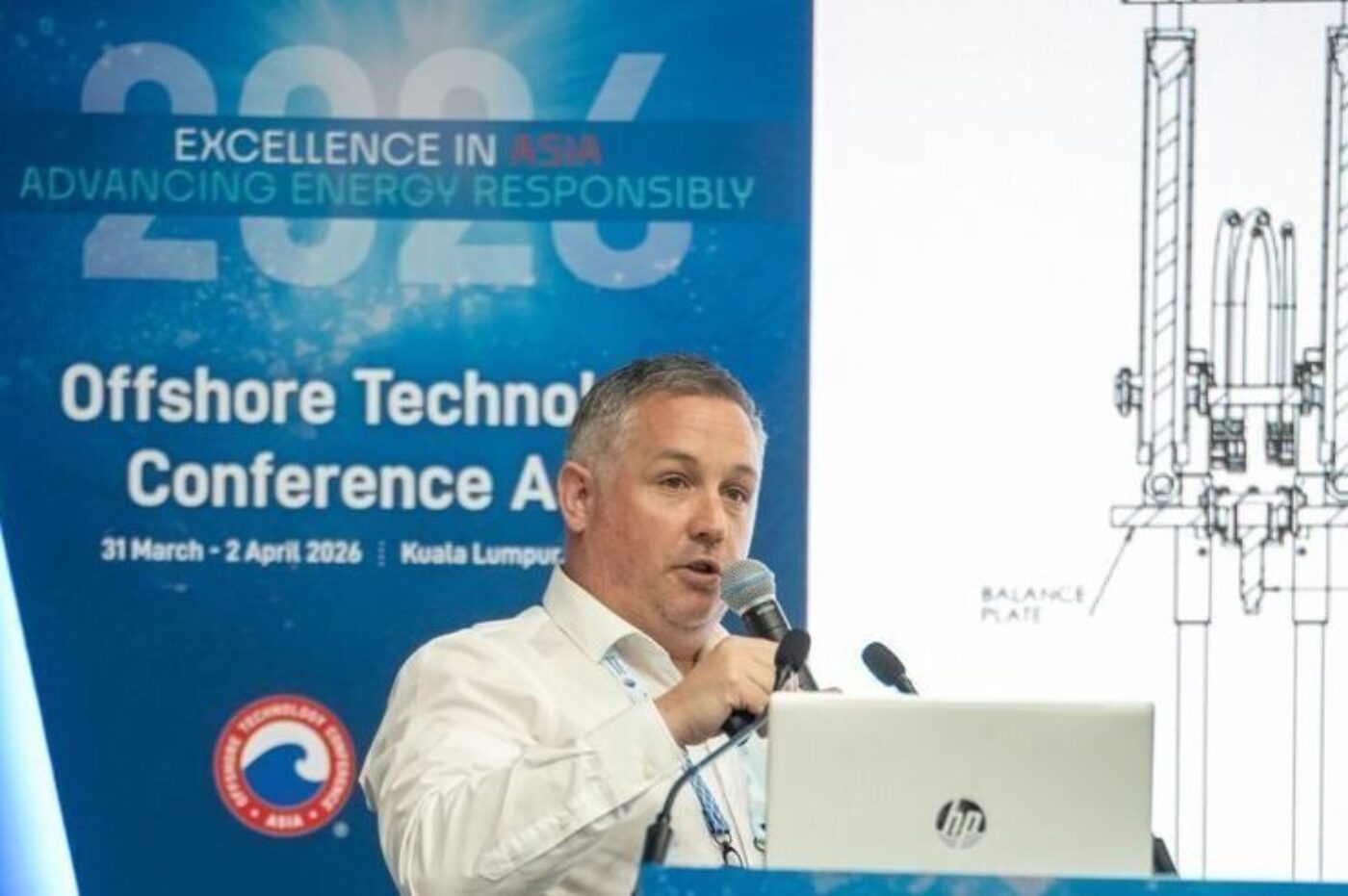
“Looking back at this year’s OTC Asia, one theme stood out, the industry is hungry for intervention solutions that are lighter, faster, safer and more adaptable to the realities of offshore operations today.
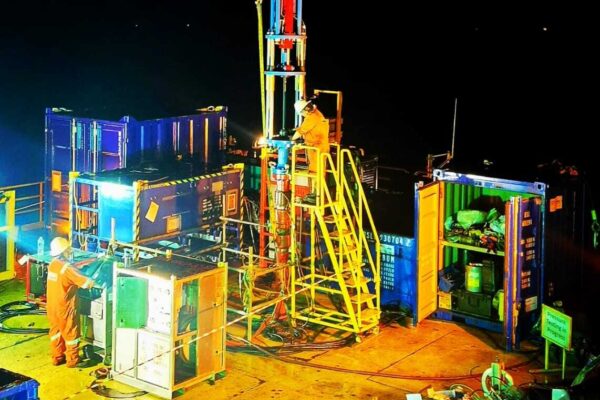
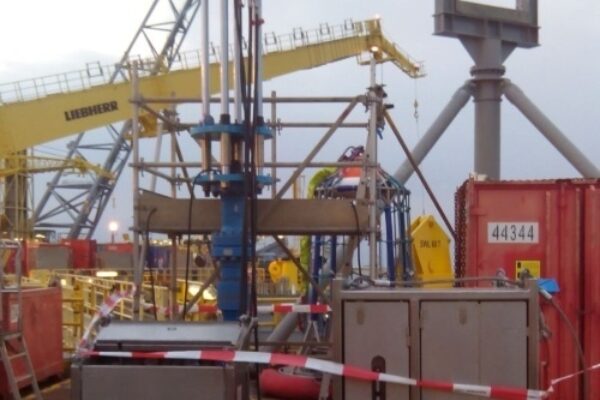
During the conference, I shared a recent case study that illustrates why this approach is gaining so much momentum. The operation centred around an Upper Master Valve stem packing leak on a small satellite platform, an installation with extremely limited crane capacity, minimal bed space, a congested well bay and the added challenge of being normally unmanned. For the operator, it was a combination of constraints that made a traditional wireline or coiled tubing approach both inefficient and unnecessarily risky due to the need to deploy from a work vessel. For Unity, it was exactly the type of scenario our compact system was designed for.
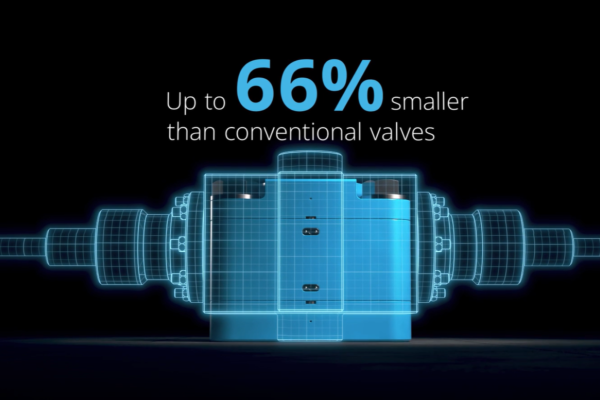
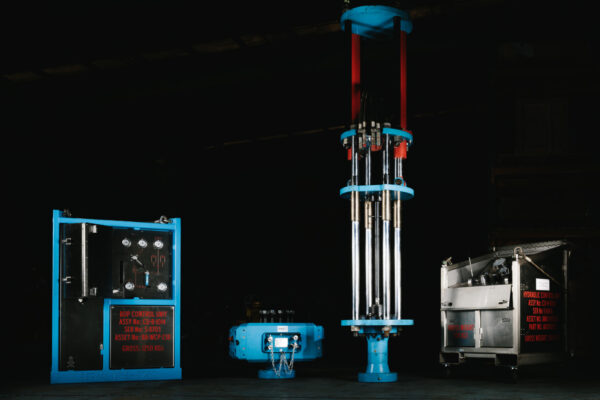
The Compact Intervention Suite has fundamentally changed what operators can achieve on small or restricted platforms. Its low weight, small footprint and rapid mobilisation time mean interventions that once seemed cumbersome can now be executed with pace and precision. Throughout OTC Asia, I found myself having the same conversation with operators: when you remove the need for large crews, significant lifts and complex logistics, the operational picture shifts dramatically.
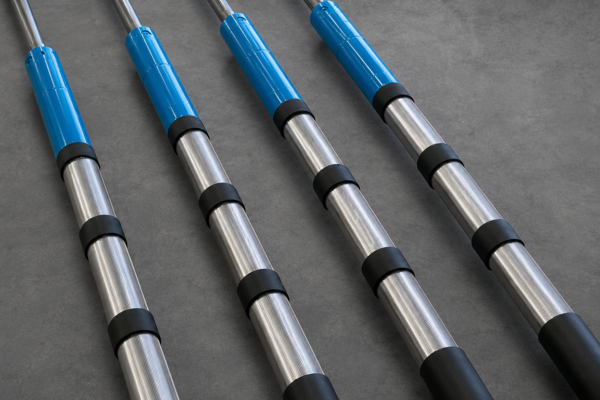
One of the standout technologies within the suite is the Compact Shear & Seal. Its ability to deliver a shear and seal in under four seconds gives operators a rapid-response safety barrier without adding operational burden. For assets where valve failures or loss-of-containment risks are a concern, this capability brings a huge amount of confidence to the operation. It provided the required extra well control facility required during the job, whilst ensuring that at any point in time the SIS rods could be sheared and the system rigged down should the need occurred, something that is not possible with a standard Lubricator.
The IX Plug also proved critical in the success of the operation. With limited rig-up height and a requirement for precise isolation, we needed a plug that was short, reliable and easily retrievable. Its low setting force, active-slip retraction and robust design meant our team could deploy and retrieve it cleanly without adding complexity or risk. It’s often the smaller engineering decisions, like choosing the right plug, that ultimately determine whether an intervention is smooth or slow. In this case, it made all the difference.
I was proud to showcase the technology and importantly, the process behind it. Before
offshore deployment, we conducted a full onshore demonstration for multiple client representatives, carried out pre-assembly and testing of all equipment, and completed a thorough inspection and documentation review. By the time our technicians stepped onto the platform, every element was understood, verified and aligned with the planned operation.
Offshore, the execution matched the preparation. The system was rigged up in a few hours. The plug was deployed and verified with accuracy. The UMV was repaired safely and efficiently; the plug was retrieved without issue. In total, the entire operation was completed within two and a half days, working only day shift. For the operator, that meant production was restored quickly and disruption was kept to a minimum.
What resonates most with clients is the measurable value these operations now deliver. Completing interventions up to 40% faster, reducing personnel by 60%, cutting down lifting requirements and slashing mobilisation-related emissions are not marginal improvements, they create a fundamentally different operational model. In a landscape where safety, cost and carbon impact are under constant scrutiny, these efficiencies are becoming essential.
The interest at OTC Asia wasn’t limited to the Compact Intervention Suite alone. Many operators were drawn to the wider capability the SIS can offer, including our ability to run barrier verification solutions, Caliper options for improved plug placement assurance, and our increasingly in-demand rigless tree removal service. With only two technicians per shift and a fully turnkey offering that covers plugging, verification, Caliper, SIS operations and tree work, Unity can deliver the single provider model many operators have been looking for. It reduces handovers, simplifies planning and offers a more predictable cost and risk profile.
I also introduced our Compact VR Tool, which can deliver high torque for stuck VR plug removal, while remaining compact and adaptable to multiple valve types, reinforces our commitment to designing equipment around the constraints operators face, not the conditions we wish they had. I was also pleased to announce that this technology has been mobilised to the Asia Pacific region
Looking back at the event, it is clear the industry is moving towards a more streamlined and intelligent approach to intervention. At Unity, our focus remains on developing innovative technology and operational models that allow operators to maintain well integrity, restore production and carry out essential interventions without unnecessary complexity.
If you’d like to explore how our compact systems and integrated solutions could support your operations across Asia Pacific or beyond, I’d welcome the conversation.”